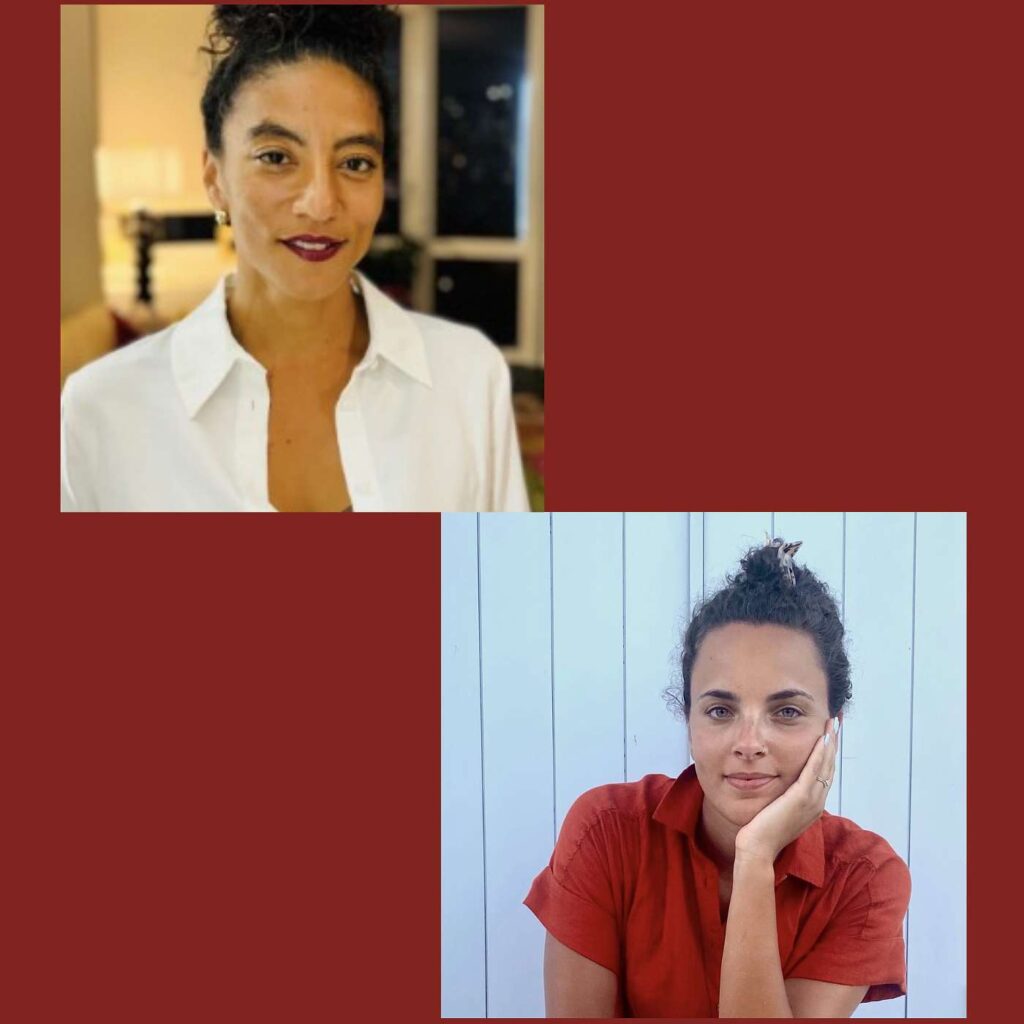
Today, on Speaking Out of Place, I have the pleasure of talking with Say Burgin about her book, Organizing on Your Own: The White Fight for Black Power in Detroit. Tracing the changing terrain of anti-racist organizing and activism in the 1960s and 1970s, Burgin’s book focusses on what became known as “parallel organizing” amongst Blacks and whites. Delving into fascinating archival materials from many activist organizations at that time, Say finds that groups like the Student Non-Violent Coordinating Committee both maintained active relations with white activists and also encouraged them to organize within their own communities. These groups, such as People Against Racism, formed working relations with clergy, labor, and even some in management, and centered their energy in not only job creation, but also the political education of whites as to the structures of racism they inhabited. Another key focal point was police violence. Risking their lives at this moment intense repression and violence, including that against whites who were working for Black liberation, white groups were ahead of their counterparts in today’s moment, photographing police violence and establishing radical educational projects. Indeed, Say and I end our conversation with a comparison between then, and now, from the moment of the assassination of Martin Luther King, Jr., and the uprising of the George Floyd killing.
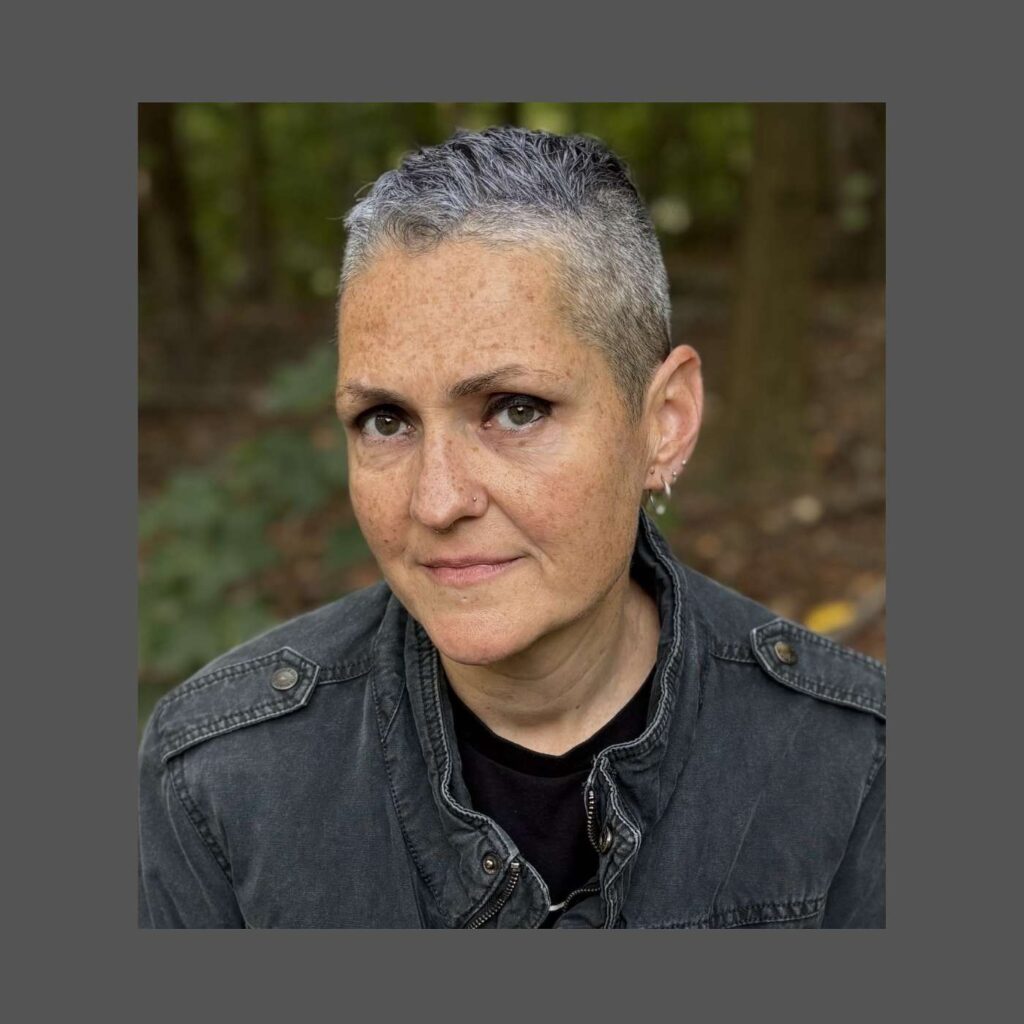
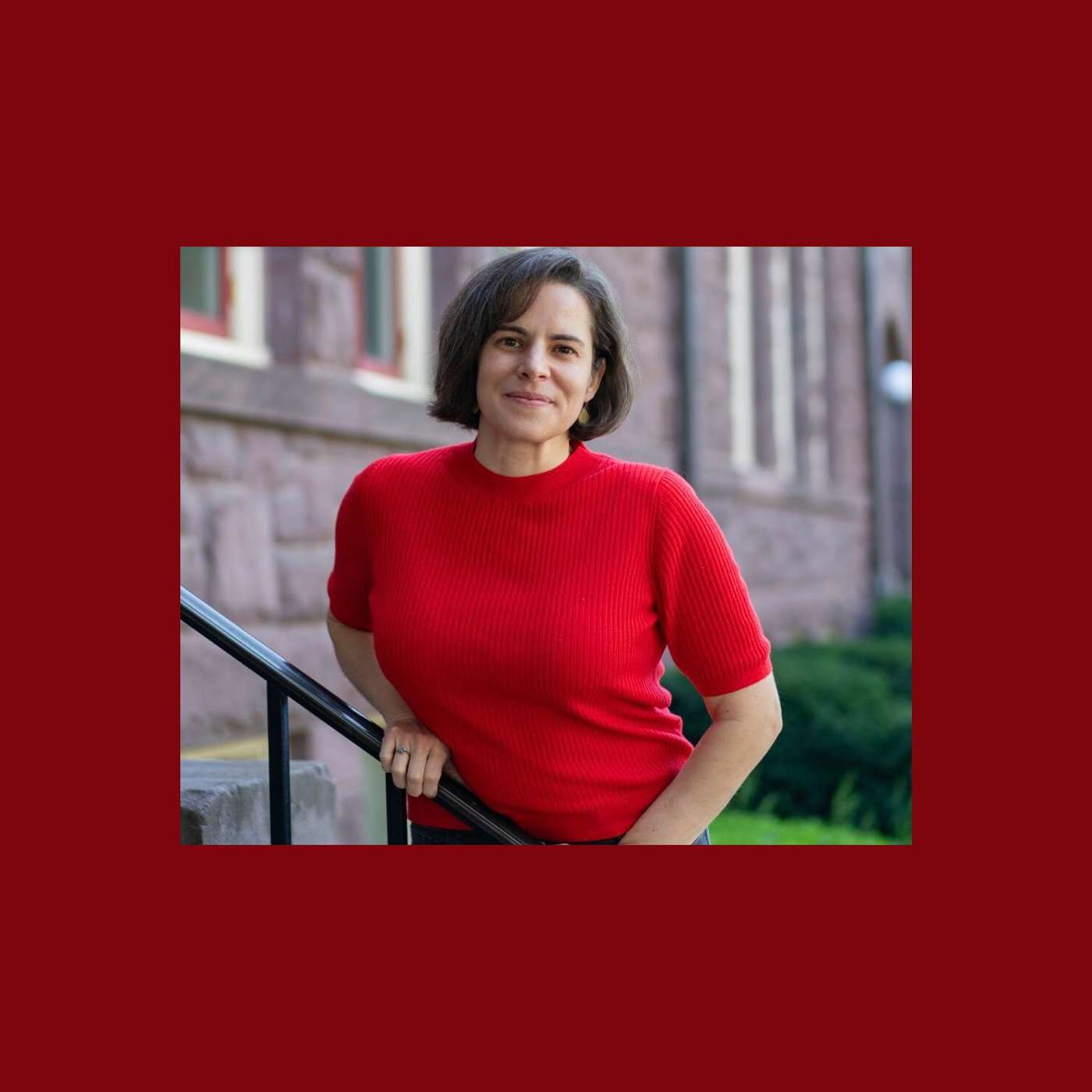
Say Burgin is a professor of history who focuses on 20th century US social movement and African American history. Her book, Organizing Your Own: The White Fight for Black Power in Detroit, was published by New York University Press in 2024. It provides a new way of understanding the Black Power movement’s relationship to white America. She has been active in movements to abolish prisons and build solidarity with Palestine, and she spends a lot of her time helping to run a community bail fund. Follow her on Bluesky @sayburgin.bsky.social.