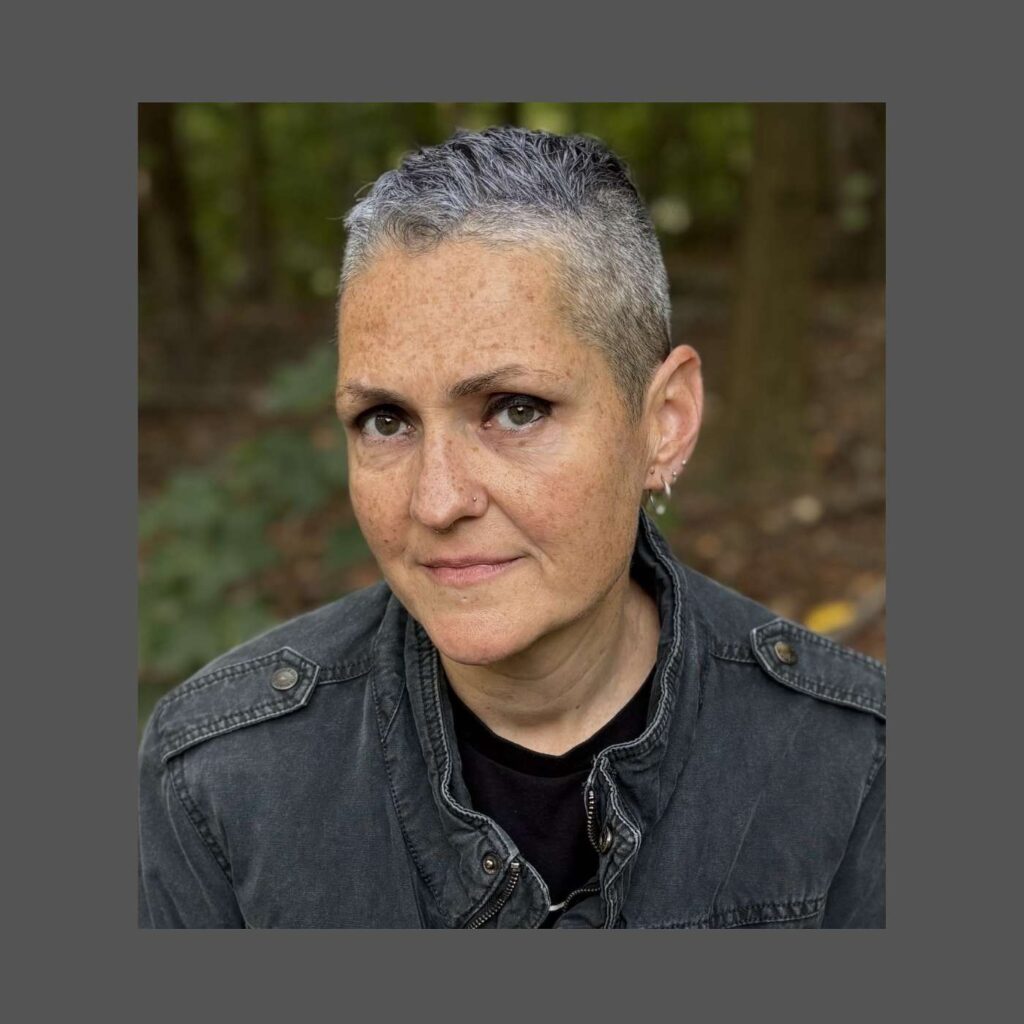
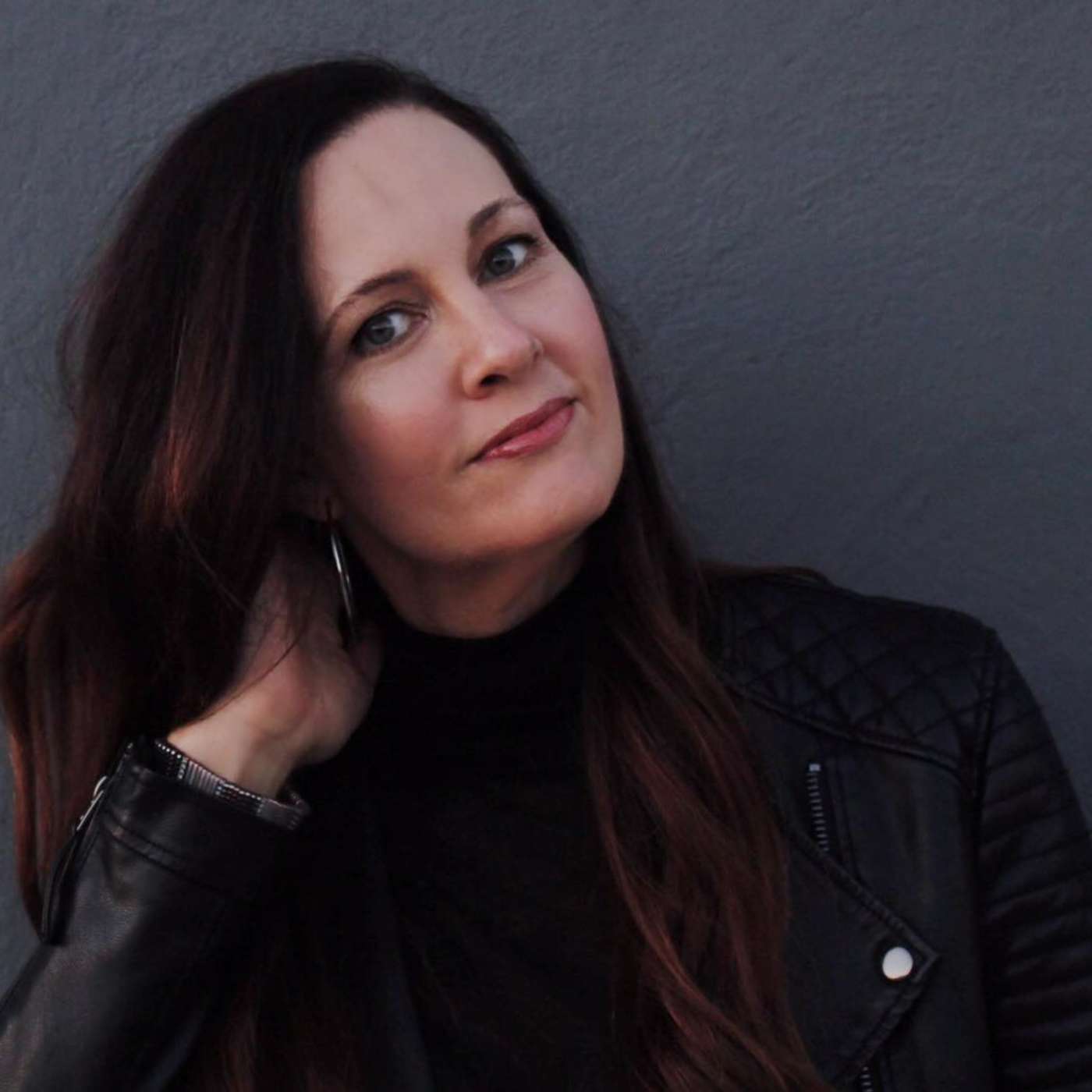
Today is in a real honor to talk with Liza Black about her new book, How Settlers Get Away with Murder: The Killing of Indigenous Women and Two-Spirit People in the Americas. Tragically, by now the epidemic of murders of Indigenous women has been well established and well-documented. What has not been brought to light are the longstanding and widespread efforts that allow these murders to go unpunished. Driven by a commitment to tell the stories of the families of these women, Black not only delves into the often murky and incomplete archives of the state, but also assembles a new archive of indigenous voices, stories, photographs, images. She shows how finding justice fell upon these relatives and friends and community members, and how they had to fight an uphill battle against the covering up and erasing of justice. Critically, Black places each of these cases within a “macro-history” of settler colonial violence.
These stories are not easy to listen to, but they deserve all of our attention, especially if we want to fight for those who are unable to speak for themselves.
Liza Black is a citizen of Cherokee Nation and Associate Professor of History and Native American and Indigenous Studies at Indiana University. Her work exposes how settler colonialism operates through cultural erasure, racialized labor systems, and state-sanctioned violence against Indigenous women, girls, and Two-Spirit people.As a 2024-25 Racial Justice Fellow at Harvard University, Black investigated how institutions normalize Indigenous disposability.
Her second book, How Settlers Get Away with Murder (Beacon Press, 2026), demonstrates how North America’s crisis of missing and murdered Indigenous women reflects colonial systems functioning exactly as designed. Through forensic analysis of police records, court documents, and survivor testimonies, Black documents how settler law frames and harms Indigenous communities.
Her first book, Picturing Indians (2020), uncovered how midcentury Hollywood exploited Native actors while systematically erasing their modernity. Drawing on payroll records and oral histories, she reveals how Indigenous performers negotiated the commodification of Native identity to assert agency within oppressive systems.
The recipient of prestigious fellowships from Cherokee Nation, Harvard University, Cornell University, UCLA, and the Ford Foundation, Black’s research bridges academic and public spheres. Her work has been featured in NPR, PBS, and El País, and she serves on numerous organizations advancing justice.