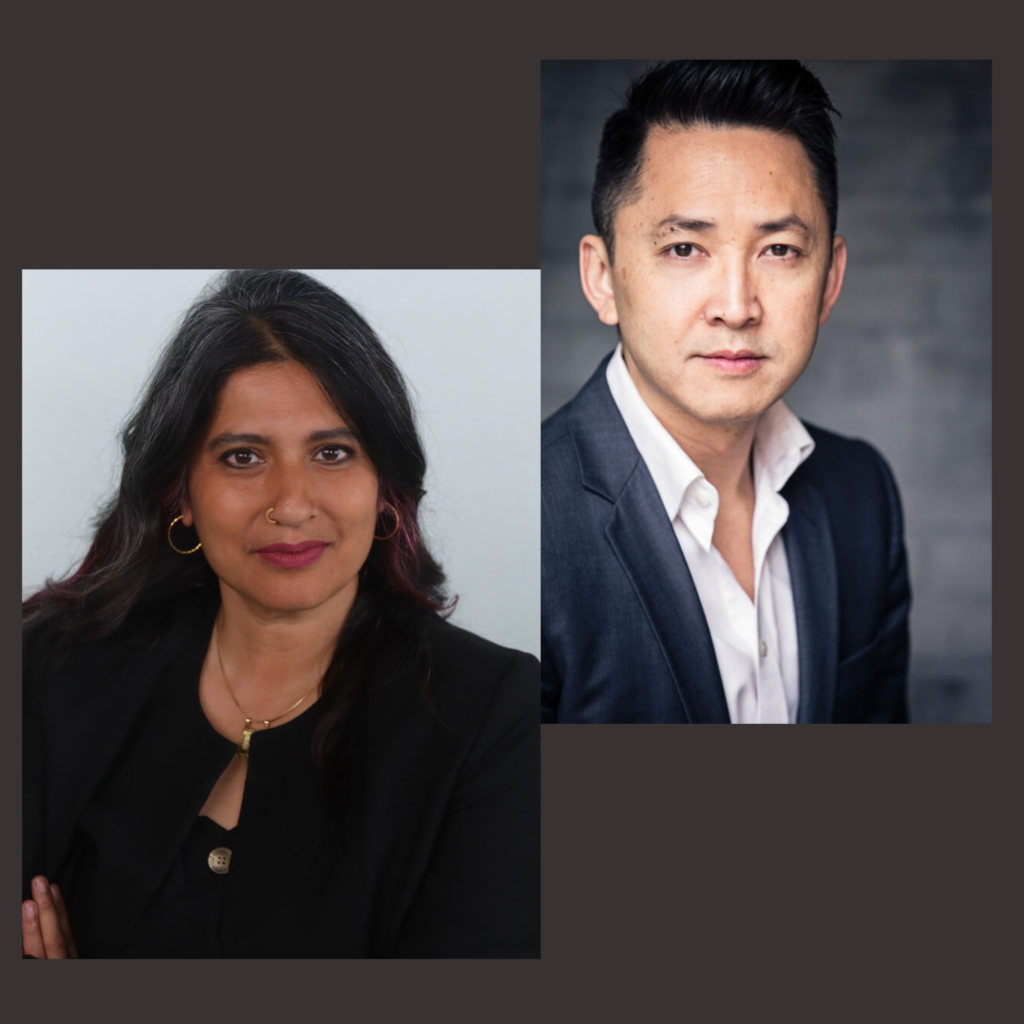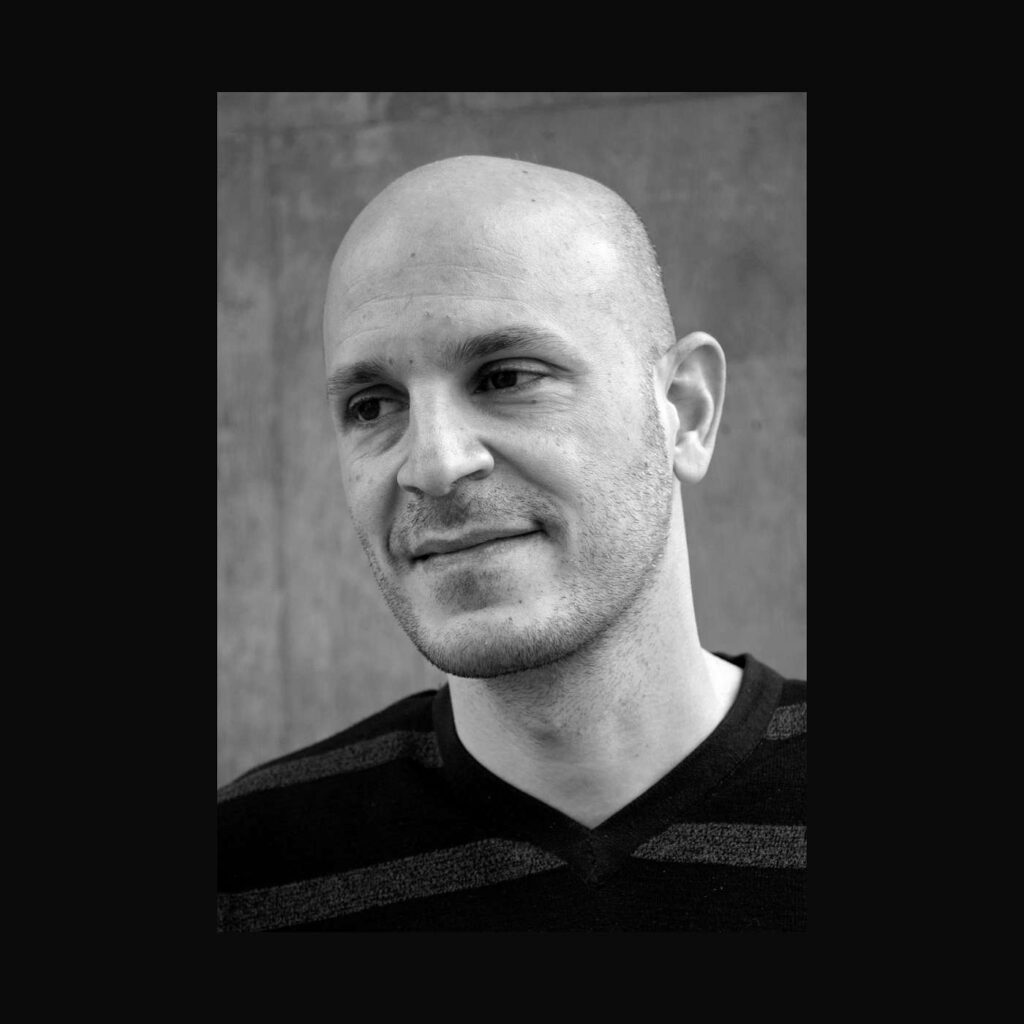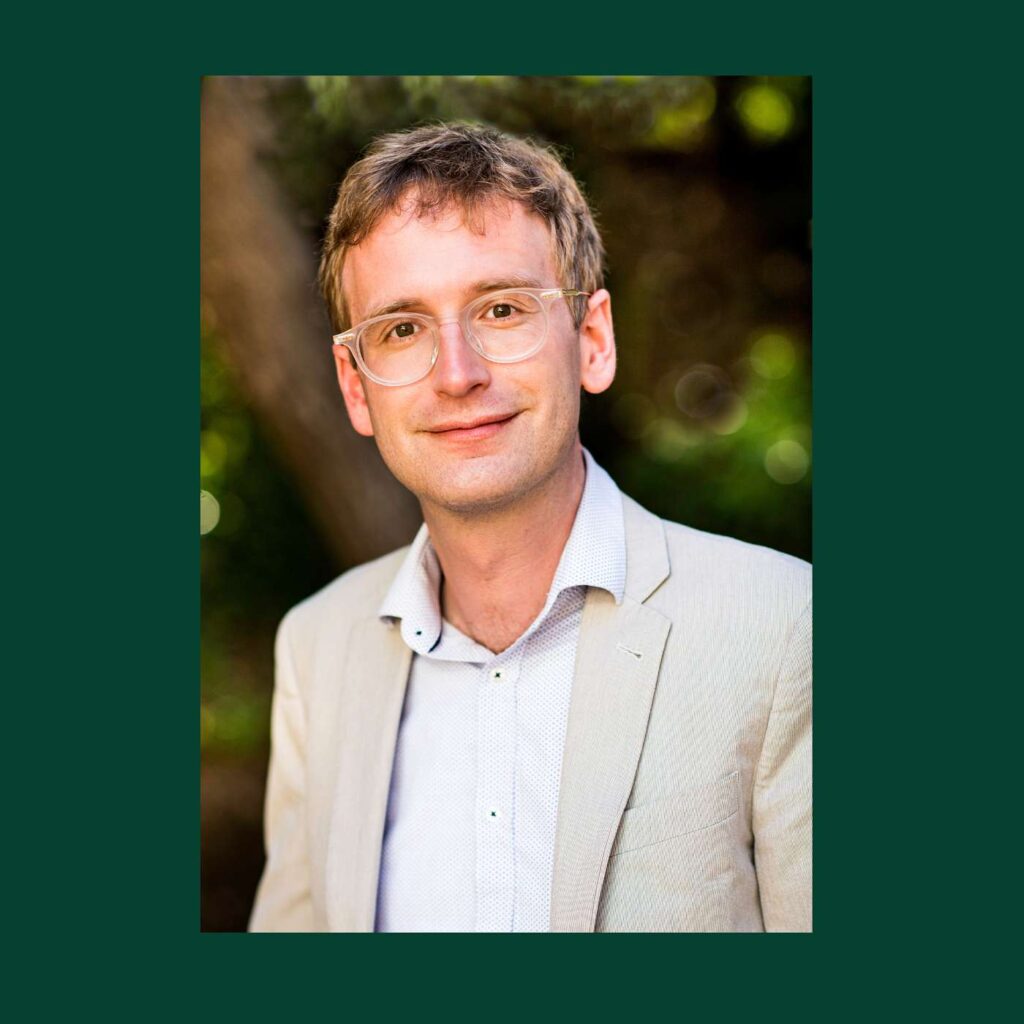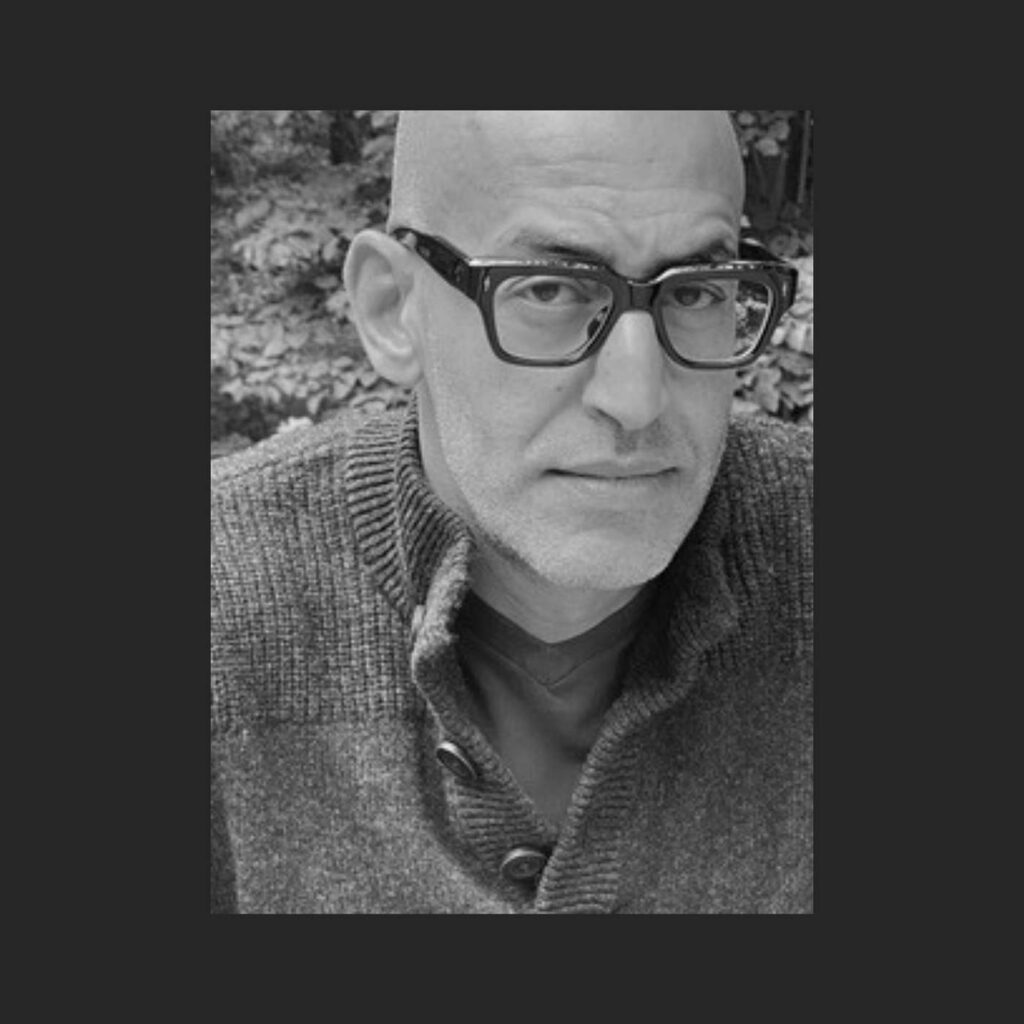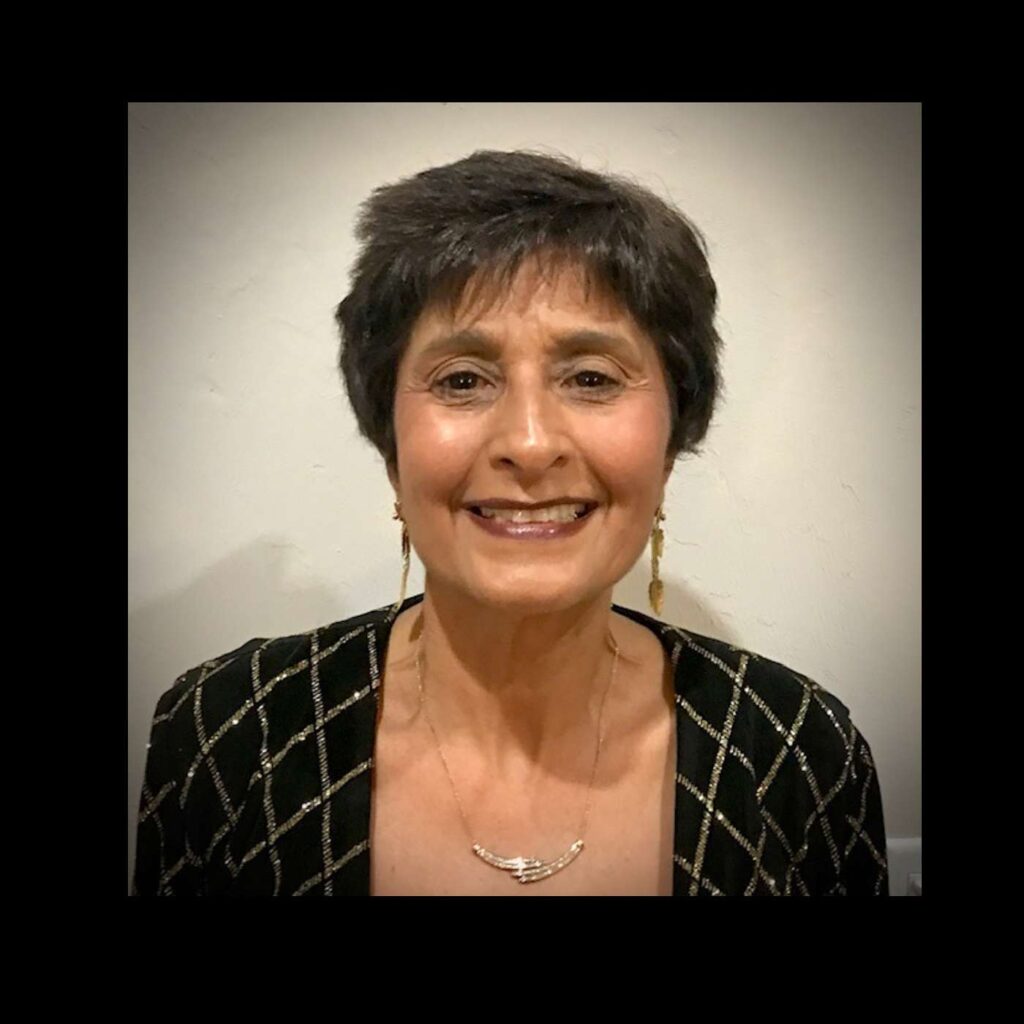
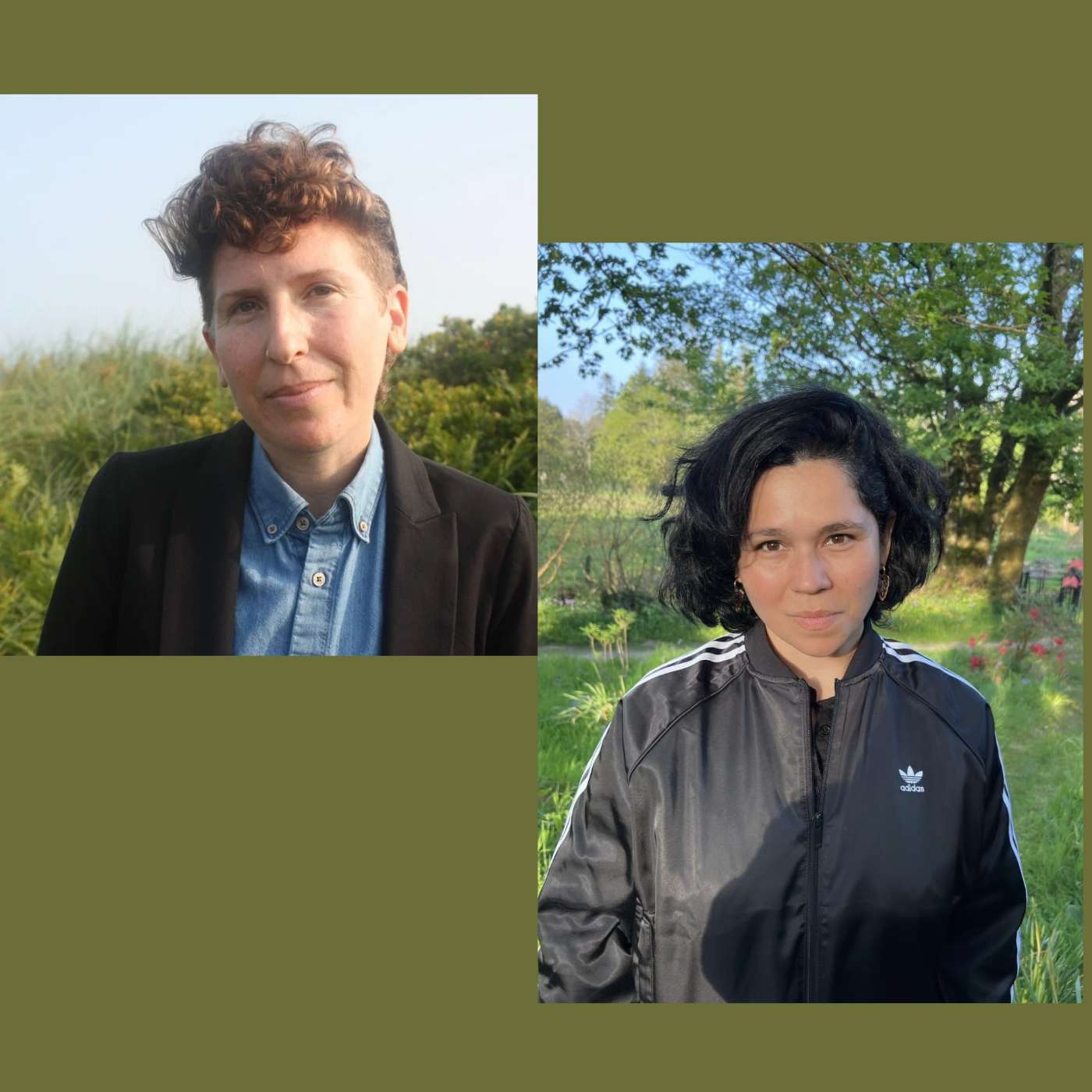
Today it is truly a special honor to welcome Alex Brostoff and to Jamille Pinheiro Dias Speaking Out of Place. This is a wide-ranging conversation, recorded right after Luiz Inácio Lula da Silva’s surprise victory in Brazil’s presidential elections on October 25, 2026. We focus on the act of translation as a political act, with particular attention to the translation of Indigenous and quilombola knowledge and practice as found in the works of thinkers such as Ailton Krenak and Nêgo Bispo. We talk about translation’s importance in coalition building that is anti-capitalist and anti-fascist, and restores and nourishes affective affinities that link life and planetary forms in a kind of wholeness that defies the narrow, utilitarian logic of cosmophobic thought. We learn what it means to dwell in florestania, rather than in the City.
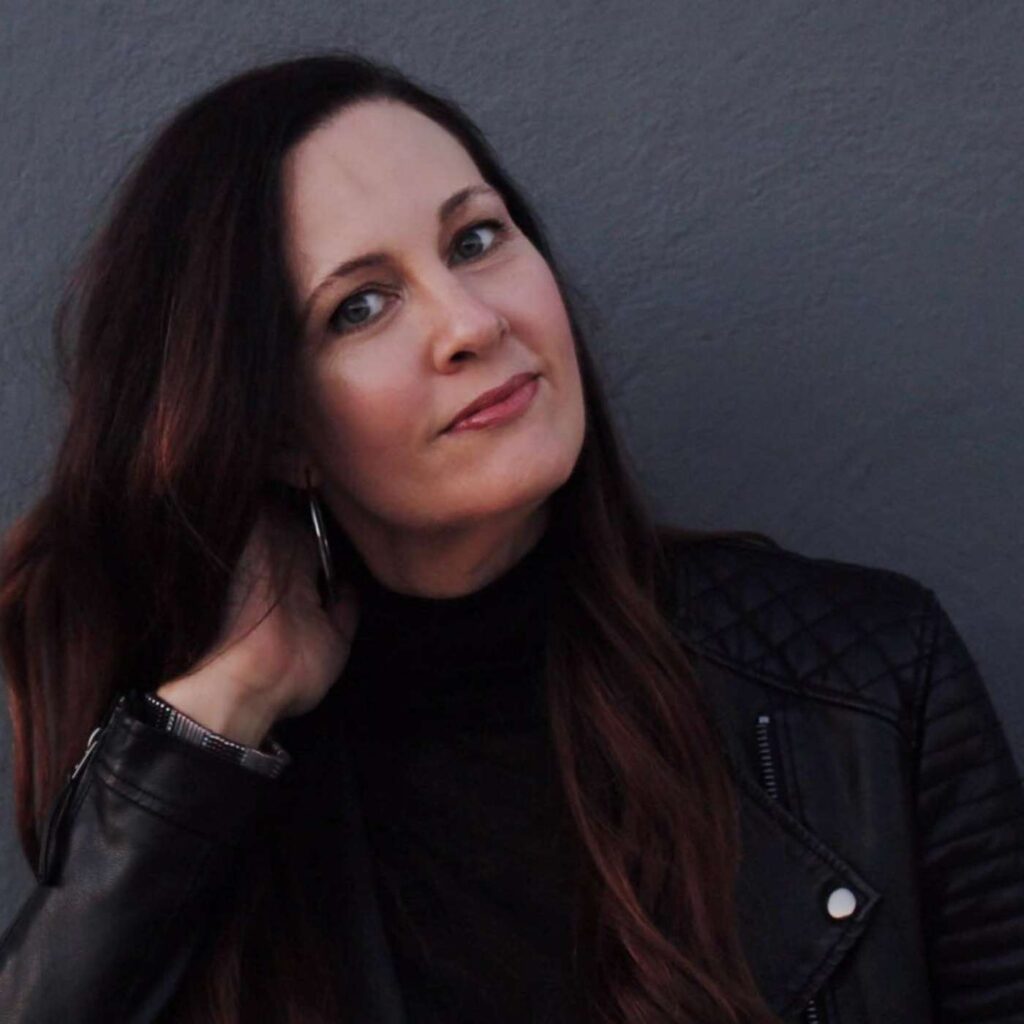
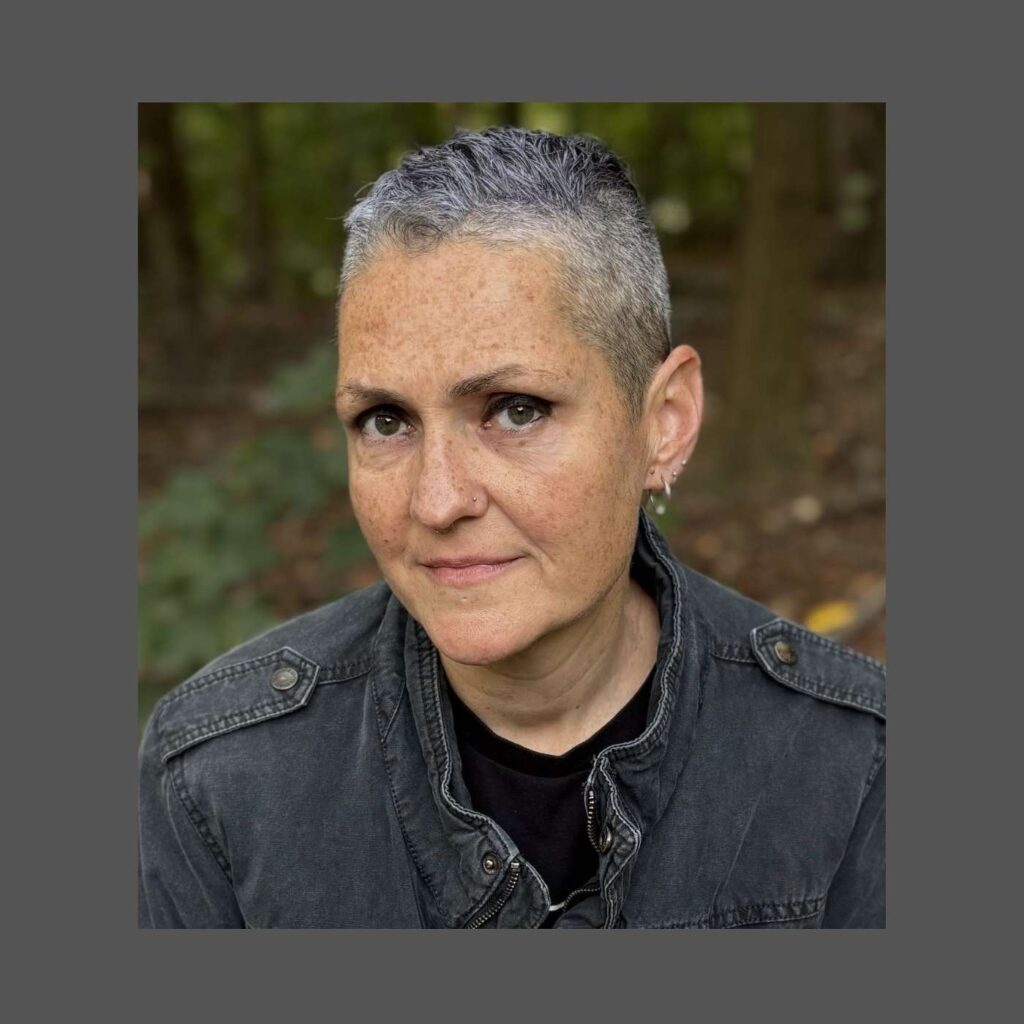
Alex Brostoff is Assistant Professor of English and Women’s and Gender Studies at Georgetown University, where they are Affiliated Faculty in Global and Comparative Literature and the Center for Latin American Studies. An interdisciplinary scholar and translator, they study how trans and queer cultural production negotiates and recasts the relationship between self-figuration and decolonial critique. Their first book, The Autotheory Effect: A Hemispheric Polemic, is forthcoming with Columbia University Press. They are co-editor of two volumes: Autotheories (The MIT Press, 2025) and Reassignments: Trans and Sex from the Clinical to the Critical (Fordham University Press, forthcoming 2027). In addition to guest editing special issues of ASAP/Journal on autotheory (2021) and College Literature on trans literatures (2025), Brostoff has translated a range of literary nonfiction and critical theory from Spanish and Portuguese, including Indigenous leader Ailton Krenak’s Ancestral Future (Polity Press, 2024) and the late Brazilian activist Nêgo Bispo’s The Earth Gives, The Earth Wants (Polity Press, 2026) in collaboration with Jamille Pinheiro Dias. Brostoff’s scholarship and translations have appeared in Diacritics, Representations, TSQ, Synthesis, Critical Times, and South Atlantic Quarterly, as well as at the Museum of Modern Art and elsewhere.
Jamille Pinheiro Dias is Director of the Centre for Latin American and Caribbean Studies and Co-Director of the Environmental Humanities Research Hub at the School of Advanced Study, University of London, where she is also a Senior Lecturer. She recently led a British Academy ODA Global Innovation Fellowship on environmental education and Indigenous film in Brazil (2025-2026). She is also an honorary research fellow at the University of Manchester, where she worked in the AHRC-funded Cultures of Anti-Racism in Latin America Project (2020-2022). She has held visiting professorships and research positions at Duke, Brown, Stanford, and the University of São Paulo. Her work focuses on environmental humanities, Indigenous arts and the politics of translation in Latin America, primarily in Brazil. She has published in Critique, Environmental Humanities, Radical History Review, and the Journal of Latin American Cultural Studies, among others.